
Do you know why some of your guests have been ordering the exact same dish for years, even though you have a brilliant chef and a fresh, seasonal card? It's not conservatism. It's the fear of looking foolish.
Marketing research shows that today's guest (especially those under 30–35) feels a slight stress during direct contact with staff whenever the situation gets unclear. Here are three classic triggers that push people to close the menu and just order "a cappuccino and a croissant":
- Fear of unfamiliar words. Not everyone has the nerve to ask the server what "coulis," "confit," or "yuzu mousse" actually is. It's easier to order what you understand without a dictionary.
- Medical awkwardness. People with gluten or lactose intolerance, or serious allergies, are simply tired of interrogating servers. The kitchen sometimes gets it wrong, the server might forget something, and nobody wants to gamble with their health. It's easier to... eat at home.
- The language barrier. A foreign tourist will, in 80% of cases, order the cheapest or most predictable item if they can't read the ingredients in their own language.
What can a modern restaurant do about it?
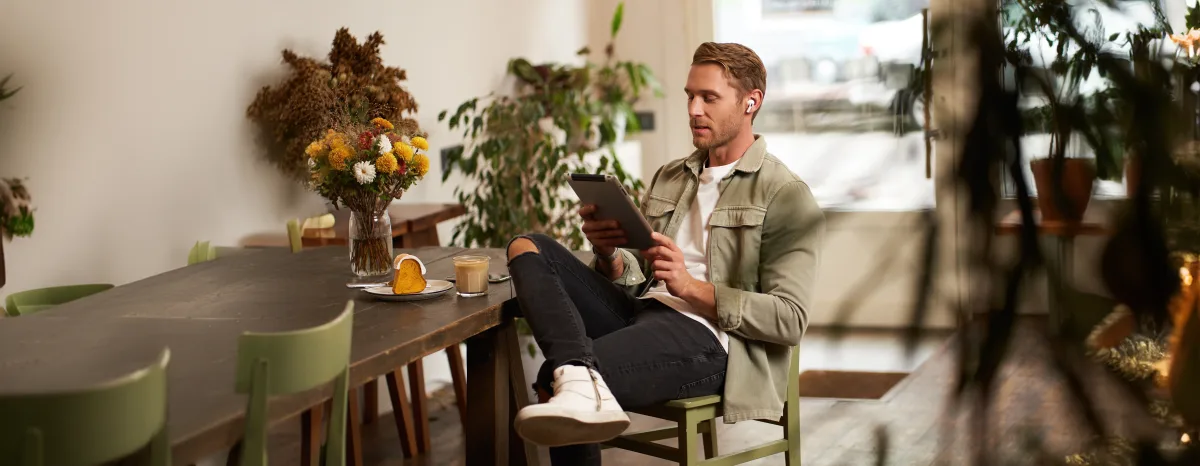
Give the guest full control. When a person can study a dish without rushing, without unnecessary questions and without judging looks – see it in a photo, check the macros, filter for allergens, and read the description in their own language – the magic of digital starts working on its own.
The numbers from venues that decided to give guests this autonomy right at the table speak for themselves: the average check rises by 15–23% on average. People order unfamiliar items more boldly and are happier to add sauces, sides, or desserts. Without a single word of persuasion from the staff.
By creating a space where everyone feels confident – regardless of how well they know culinary terms, their diet, or the language – we open the door to a whole new kind of loyalty. Loyalty you can see both in the reviews and in the daily takings.