
When restaurateurs budget for opening or refreshing a venue, the "Menu printing" line item looks like a drop in the ocean of expenses. Just a print shop, some thicker paper, a nice laminate. A few hundred dollars and done.
But let's do a little math and add up the hidden "paper tax" a venue pays all year round.
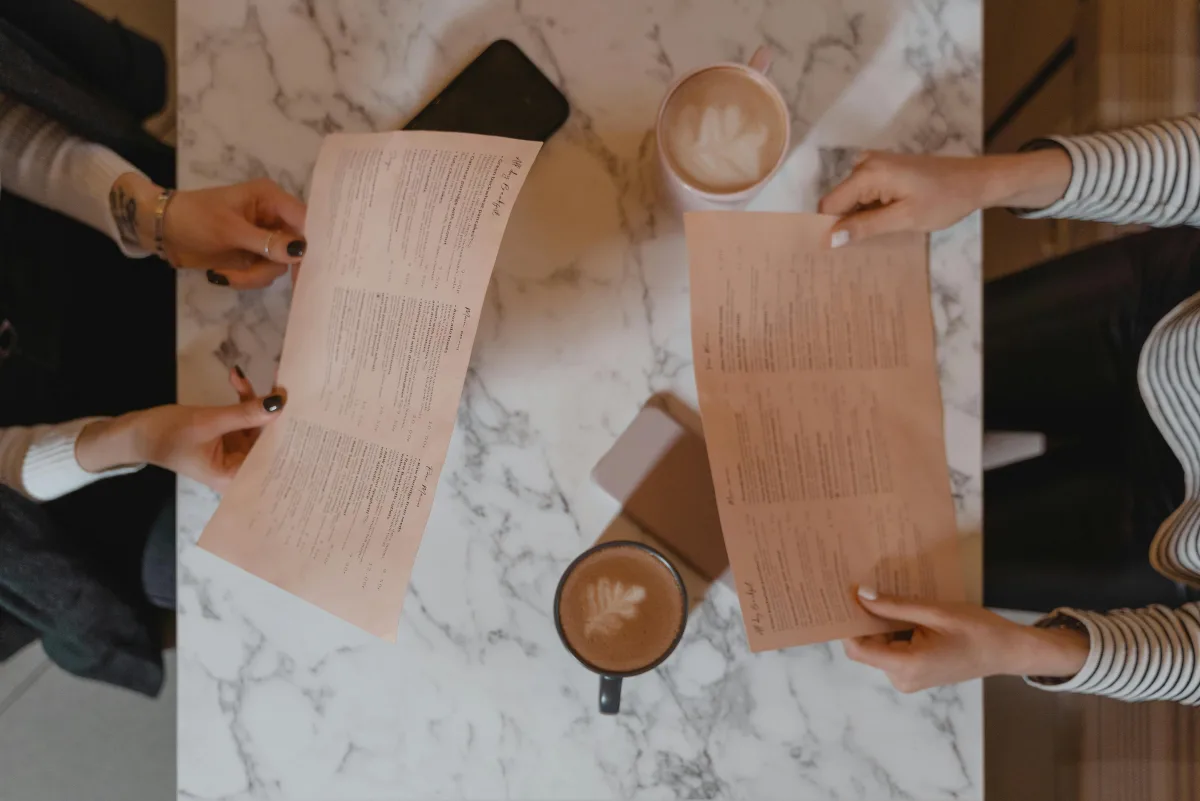
- Factor 1: A dynamic market. Ingredient prices change every month. Salmon got pricier, the cheese supplier changed, asparagus or chanterelles came into season. What does the restaurant do? It either operates on the edge of profitability with the old prices, or frantically slaps on unsightly stickers, or... pays the designer and the print shop all over again.
- Factor 2: The human factor and typos. A single error in a wine name or a wrong portion weight – and the whole batch of 50 freshly printed menus is only good for the shredder.
- Factor 3: Wear and tear. A paper menu in guests' hands "lives" for 2–3 months at most. After that it loses its shine, gets smudged by greasy fingers, soaked with coffee. And a menu is the kitchen's calling card. Serving food off a dirty scrap of paper is a crime against good service.
Sustainability vs. Economics
Today, restaurants around the world increasingly choose the Paperless concept, and not just to save trees. It's pure math. Moving the menu to interactive, "living" digital lets you change prices, hide items that just ran out in the kitchen (even in the middle of a Saturday rush), and add seasonal newcomers in 10 seconds.
The budget saved on printing is something managers would rather put toward staff bonuses or marketing. Is paper worth its price? The choice is yours.